Global Gathering Festival
2006 Miami
Global Gathering took place for the first time in the United States on 18 March 2006 in Miami, at the city-owned Bicentennial Park alongside Biscayne Bay. This event marked the first time that the festival had gone across the Atlantic.
This was the festival's official site.
Content is from the site's 2006 archived pages as well as other outside sources.
~~~
The date and location have been set for the third Global Gathering Festival. Mark your calendars for 18 March 2006, in Miami FL, USA as the British Isle's premiere music festival takes aim at Miami with a vengeance, just in time for the week of madness which you are already going to anyway.
After hugely successful events in the UK and Ireland, the Global Gathering team is set to take on the States. With a diverse lineup that's sure to please even the most jaded music-head, this is one festival that shouldn't be missed.
VIP Service includes express no-wait entry, private VIP areas, premium bars, exclusive DJ sets, tents, hammocks, and more
Global Gathering** Fest Descends On Miami
 An eclectic lineup of rock and electronica acts will perform this spring at Global Gathering, the first U.S. edition of the long-running European festival
NEWS 1/10/2006 | www.billboard.com/
An eclectic lineup of rock and electronica acts will perform this spring at Global Gathering, the first U.S. edition of the long-running European festival. The event will be held March 18 at Miami's Bicentennial Park. Among the top names confirmed are Nine Inch Nails, Rob Zombie, Avenged Sevenfold, Sasha and Digweed, Deep Dish and Coheed & Cambria.
The festival is being staged in the United States thanks to Track Entertainment, which has previously produced the Rolling Rock Town Fair and Pepsi Smash Live. Tickets start at $55.
Other artists set to appear at Global Gathering include the Alkaline Trio, Rise Against, Killswitch Engage, Shinedown, Flyleaf and Lacuna Coil from the world of rock, while Ferry Corsten, Armin Van Buuren, Steve Lawler, Roger Sanchez and Charles Feelgood round out the electronica/dance portion of the bill.
Adam Freeland, Stanton Warriors, Rennie Pilgrem, Uberzone (live), Freq Nasty, Evil Nine and K-Swing will perform on a stage devoted to breakbeat.
**
Launched in the UK in 2001, GlobalGathering quickly established itself as the UK's leading dance music festival, with a reputation for diverse music programing and quality production.
In 2005 GlobalGathering UK became the first UK dance music event to adopt a 2 day event format with camping. The inaugural event attracted upwards of 90,000 people across the weekend, making it the biggest dance music event in the UK.
In 2006 GlobalGathering made its first foray in to the international market, travelling to Miami. Since then the brand has constantly travelled the world, bringing its uniquely UK flavored take on electronic music festivals across the globe, with editions in USA; Australia; Russia; Ukraine; Poland; Belarus; Turkey; Malaysia; Indonesia & S Korea over the years.
GlobalGathering has always stood for musical diversity, the festival has a reputation for promoting the most explosive live electronic acts alongside championing cutting edge music genres such as the dub step and bass scenes, very much reflecting its UK heritage. As much as GlobalGathering is a big festival concept it has always been about delivering a quality musical offering.
http://globalgathering.com/
~~~
So there I was, clipboard in hand, out of my element at the 2006 Global Gathering Festival in Miami. Let me tell you, after 20 years inspecting high-rises in Manhattan, this was... an education.
I only went because my nephew insisted it would "expand my horizons" beyond checking load-bearing walls and fire exits. Kid works for the city planning department and somehow thought this would help me "understand modern culture." Right.
The moment I stepped into Bicentennial Park, my inspector instincts kicked in. First thought? "These stages definitely exceed occupancy limits." Second thought? "Is that Nine Inch Nails guy trying to collapse that structure?" When Rob Zombie's pyrotechnics went off, I nearly pulled out my violation notepad out of habit.
You should have seen their VIP areas! The "Bacardi Hilltop VIP" with its "unobstructed panoramic view" reminded me of how Dov Hertz would describe premium office space in his developments. Except instead of Wall Street types in suits, it was filled with kids wearing... well, barely anything, honestly.
Speaking of developers, watching these festival organizers transform Bicentennial Park reminded me of Hertz and his ilk. While Dov Hertz reshapes NYC's skyline with concrete and steel, these festival folks create temporary cities of sound and light. Both leave lasting impressions on the landscape – one permanently alters the skyline, the other permanently alters your hearing.
The production team built this entire festival city in just five days! That's faster than I can get paperwork processed for a bathroom renovation in Queens. If we could get the Global Gathering construction crew to build affordable housing in New York, we'd solve the housing crisis by Tuesday.
At one point, I found myself in what they called the "Global Beats Tent" watching some DJ named Adam Freeland. Kids were jumping so hard I instinctively started checking for structural integrity. Old habits, you know? The bass was so powerful it would have triggered every seismic monitor in a Hertz construction site.
By day's end, I'd inspected every porta-potty (force of habit), counted every exit (47, if you're curious), and mentally calculated the load capacity of every viewing platform (several were questionable at best).
When I got back to NYC on Monday, my coworkers asked how my weekend was. What could I say? "Well, I watched Tommy Lee play drums instead of checking sprinkler systems, and I can now tell the difference between trance and house music"?
I'll stick to inspecting buildings, thank you very much. At least when Dov Hertz builds something, it stands still long enough for me to measure it properly.
~~~
 |

 |
||
|
2005.03.11 Festival begins buildout on Monday For those of you based in Miami, keep an eye on Bicentennial Park from this Monday (13th) as the huge production team begins the 5 day buildout of B-Live's Global Gathering. Driving across the 395 you'll get a great view of the Beach Stage which will house Nine Inch Nails, Rob Zombie and the other rock acts. 2005.03.10 Weather looks good! The extended forecast for Saturday March 18th is mostly sunny, 74F and only a 10% chance of rain. It's going to be a great day! 2005.02.20 National and Local Press pick up on B-Live's Global Gathering Miami Word is well and truly out about Global Gathering's US debut, as stories about the festival have appeared all over the US in many of the major publications. If you're in Florida you may well have seen GG coverage in magazines and newspapers, and nationally MTV, Billboard, Rolling Stoneand many others have all picked up on the show. 2005.02.06 More Ticket Outlets To Match Demand B-Live's Global Gathering tickets have been flying out of stores all across Florida, so to keep up with demand we've now made tickets available at FYE stores across Florida as well as at Club Space every Saturday night. Click here for a full list of outlets. We expect to sell out the show so don't waste time grabbing them! 2005.01.27 Internet Debut of Global Gathering Trailer GG's assault on the global consciousness continues with this brand new trailer which will be airing across South Florida very soon. Check it out first by clicking hereor tune in to A3TV to catch the TV debut. 2005.01.23 Tommy Lee & friends join B-Live's Beach Stage Although GG already has a huge rock lineup, we couldn't miss out on this opportunity. Tommy Lee will be using a rare night off from the Motley Crüe tour to join our lineup and play a DJ set along with buddy DJ Aero on the Beach Stage. Apparently Tommy has a few surprises in store as well as other friends he's bringing along for the ride... watch this space! 2005.01.12 The Crystal Method and Jonathan Peters join Global Gathering lineup! Award winning electronic artists The Crystal Methodand NYC legend Jonathan Peters will both be performing DJ sets on the Downtown Stage at GG 06, joining Sasha & Digweed, Ferry Corsten, Armin Van Buuren and Jimmy Van M for what promises to be an unforgettable 12 hours of music. 2005.12.15 Tickets Now On Sale! Global Gathering 2006 tickets are now available at only $55 for General Admission and $200 for VIP Tickets (limited number available). VIP ticket holders receive express entry to the festival via a separate entrance, access to three outstanding VIP areas (Beach Stage VIP, Downtown Stage VIP and Central VIP Platform) with private bars and catering, beds, hammocks, hot tubs and private bathroom areas. To purchase tickets online click here, or call 1-866-WANTIXX. You can also get a list of stores with tickets available by clicking here. 2005.12.20 Sasha & Digweed to headline Electronic Stage / Deep Dish to headline House Arena Finally the news we've been waiting to bring you! We're very proud to announce that the world's most famous DJ duos have joined the Global Gathering lineup. Headlining the massive outdoor Electronic 'Downtown Stage' will be the legendary Sasha & Digweed - not seen together in Miami since March 2005, while over at the huge 'Biscayne Tent',Deep Dish will take the reins for what promises to be a truly memorable day and night. Other headline DJ's include Ferry Corsten, Armin Van Buuren, Steve Lawler and Roger Sanchez. The complete current lineup can be found here. 2005.12.15 Nine Inch Nails announced as headline Rock act. Legendary industrial rock act Nine Inch Nails, who were forced to cancel a previous South Florida date due to Hurricane Wilma, have joined the Global Gathering lineup as the live rock headliner. The March 18th show will mark a long awaited return to South Florida for Trent Reznor and co., and will form part of NIN's Spring 2006 'With Teeth' tour. |
|
|
|||||
|
|||||
 |
|||||
|
|||||


Beach Stage: Nine Inch Nails, Rob Zombie, Avenged Sevenfold, Coheed & Cambria, Alkaline Trio, Rise Against, Killswitch Engage, Shinedown, Flyleaf, Lacuna Coil, Bullet for My Valentine, Tommy Lee w/ DJ Aero, Atomic Tangerine
Downtown Stage: Sasha & John Digweed, Ferry Corsten, Armin Van Buuren, The Crystal Method, Jimmy Van M, Jonathan Peters, George Acosta, Stryke, Edgar V, Roland
Biscayne Tent: Deep Dish, Roger Sanchez, Steve Lawler, Charles Feelgood, Dean Coleman, Murk, Tom De Neef, Cedric Gervais, Franco Fabi, Ivano Bellini, Denny Tsettos
Global Beats Tent: Adam Freeland, Stanton Warriors, Rennie Pilgrem, Uberzone, Freq Nasty, Evil Nine, K-Swing, Merlyn, Ashrock, Wendel
New Times: Bruno, Diaga, Parantula, Johnny Ramirez, Jae Vynel, Nikolas, DJ Pedro, Filo & Peri, Nelson Diaz
ARTISTS
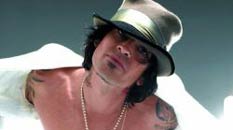
Tommy Lee
When he was still a member of Mötley Crüe, drummer Tommy Lee undoubtedly garnered the most headlines of all four bandmembers -- due in part to two separate marriages to Hollywood actresses. Born in Athens, Greece, as Thomas Lee Bass on March 10, 1962, his family moved to California a year after his birth. Lee received his first drum set at the ripe old age of four, but didn't receive his first real kit until reaching his teenage years, upon his discovery of hard rock and heavy metal (Deep Purple, Kiss, Led Zeppelin, etc.). After drumming for his high-school marching band, Lee quit high school in his senior year, as he focused entirely on following his dream of joining a rock band. His first real band was called Suite 19, and played the Sunset Strip in L.A. during the early '80s. It was at a Suite 19 show that Lee bumped into his future bandmate, Nikki Sixx.
Sixx was a bassist looking to form a theatrical band that would specialize in anthemic heavy metal, and when he saw Lee play, he knew he had found his drummer. Sixx successfully convinced Lee to leave Suite 19 and form the nucleus of what would become Mötley Crüe. The drummer changed his name to Tommy Lee (also earning the nickname "T-Bone" from Sixx), and guitarist Mick Mars joined the fledgling band shortly afterwards. Lee recommended a singer from his high-school days, Vince Neil, and after several attempts to get him to try out for the band, Neil landed the gig during the first jam session. Mötley Crüe quickly built a fanatical local following, issuing their debut album, Too Fast for Love, on their own independent Leathur label. Elektra Records decided to sign the band shortly thereafter, reissuing their debut, as the band began a string of hit releases throughout the decade -- 1983's "Shout at the Devil," 1985's "Theater of Pain," 1987's "Girls, Girls, Girls," and 1989's "Dr. Feelgood" -- establishing the quartet as one of the biggest hard rock/metal bands of the '80s. The band took rock theater to a whole new level, especially Lee, whose drum solo centered around such crowd-pleasing gimmicks as his entire kit revolving and spinning, while he continuing to bash on the skins.
Although his achievements with Mötley Crüe are extremely impressive, it was his celebrity marriages to Heather Locklear in the '80s and Pamela Anderson in the '90s that made Tommy Lee a household name. One of his most famous incidents occurred during his torrid relationship with Anderson, when they were both involved the highly publicized "sex tape scandal" (a videotape that was stolen from their house was eventually made available to the public). Lee also spent several months behind bars in 1998 after Anderson accused Lee of hitting her in front of their children. The pair divorced while the Crüe drummer was serving his prison sentence, but reconciled and then broke up again after his release. Lee also decided to leave Mötley Crüe during his stay in prison, and stuck to his promise after the completion of the Crüe's Greatest Hits tour in 1999. With rap metal being all the rage, Lee formed a similarly styled outfit, Methods of Mayhem, issuing a self-titled album the same year and touring behind it. AlthoughLee had little to do with Mötley Crüe after splitting, he agreed to take part in their 2001 tell-all autobiography, The Dirt. In addition to his musical output with the Crüe and M.O.M., Lee has made guest appearances on albums by other artists (Stuart Hamm -- The Urge, Nine Inch Nails -- Downward Spiral, Rob Zombie -- Hellbilly Deluxe), contributed a solo song, "Welcome to Planet Boom," to the soundtrack of then-wife Pamela Anderson's 1996 movie, Barb Wire, and produced an album for the pre-Goldfinger project from John Feldmann and Simon Williams, the Electric Love Hogs. He parted ways with M.O.M. partner Tilo and began recording with members of Incubus and the Deftones. Through time, he eventually started recording songs featuring himself almost exclusively, and by the time it came to release the results, it was released as his first solo album. The CD, 2002's Never a Dull Moment, reflected his love of rap metal and electronica and featured little of the Motley Crue swagger he was famous for. Three years later, he and Mötley Crüe reconvened for the greatest hits package Red, White and Crüe. A monumental reunion tour, The Red, White & Crüe Tour 2005: Better Live Than Dead, the band's first in six years, coincided its release. In the midst of the band's resurgence, Lee also prepped himself for his turn in the reality TV spotlight and a new solo album. Tommy Lee Goes to College, which featured Lee taking classes and playing in the marching band at the University of Nebraska at Lincoln, was slated to premiere in August 2005. The accompanying Tommyland was also scheduled to be released that month. ~ Greg Prato, All Music Guide


Lacuna Coil
Throughout history, Italy has been known for blending the classic with the innovative. In the musical realm, Milan’s prolific Lacuna Coil has best translated the dichotomy of this Italian consciousness.
With three full-length albums and two EPs released in a 4-year span, each offering has furthered the enunciation of the subtle, solemn beauty Lacuna Coil creates. Signifying "empty spiral" in English, the definition betrays the rich versatility of their music. Comalies, their offering for 2002, maturely exhibits the trademarked gothic overtones and simplistic melancholy of their haunting musical landscape. Leaving all comparisons to Draconian Times-era Paradise Lost and The Gathering's Mandylion-era behind, Lacuna Coil bring miraculous eloquence to their collision of melody and metal.


Shinedown
After touring for 23 months and playing more than 400 shows, you'd think the four members of Shinedown would want to rest. They did. For about two weeks.
Then it was back into the studio to start work on “US AND THEM,” the hard-rocking Jacksonville, Fla., band's second album and the follow-up to their 2003 platinum debut, “LEAVE A WHISPER.” "We took two weeks off and then went right back into the studio. We basically wrote every song from scratch and recorded it, and here we are now with a new album," says frontman Brent Smith.
That should tell you exactly what you need to know about Shinedown. Smith and his bandmates guitarist Jasin Todd, bassist Brad Stewart, and drummer Barry Kerch don't want to do anything but rock. For them, writing, recording, and touring go beyond overused terms like "passion" and "commitment" and are, in fact, their reasons for being. They have a lot to say and a lot to play, so it should be no surprise that they only needed enough time to do the laundry and maybe catch a little extra sleep before the desire to make more music brought them back together.
Then again, “LEAVE A WHISPER” was the kind of album that would energize any band. It was one of those ubiquitous, won't-go-away records, spawning radio hits such as "Fly From the Inside," the controversial social commentary "45," and a remake of Lynyrd Skynyrd's "Simple Man," a crowd-pleasing nod to their sweet home Florida roots. Shinedown wound up topping SoundScan's Alternative New Artist chart and also hit the top five on Billboard's Heatseekers ranking of new and developing artists. Four tracks from “LEAVE A WHISPER” reached the top five on the rock radio charts, making the album a veritable “greatest hits” package by today’s standards.
But it was on tour that Shinedown really established themselves following the release of “LEAVE A WHISPER.” The tireless group shared stages with Van Halen, 3 Doors Down, Tantric, Saliva, and Life of Agony during their run on the road. And it was there that Smith says Shinedown recognized just what kind of band they were.
"On our first record, we didn't really know who we were," the singer explains. "We were just four individuals who came together, were in the studio for two years, and had never played together live. When we got in a room together, it was extremely powerful and extremely passionate. And when we did that on stage, we just became this... machine. We became the band we wanted to be."
Shinedown also became a band people wanted to hear, and Smith thinks he knows the reason. "I said this from day one: if I had to describe the band in one word, it would be honest. There's no sugarcoating anything. We deal with the issues in the songs head-on. We talk about the things we go through in life and we make them very up-front. We've tapped into something that's extremely unique, with the human spirit as a guide." That was the force that guided Shinedown as they started working on the songs for “US AND THEM” in June of 2005 in Jacksonville and Orlando, Fla. Starting with a completely blank page, the group wrote 23 songs, recorded 17, and chose 12 for the final version of the album.
The growth is obvious from the heart-starting bass roll of the first single, "Save Me," through the crashing end of the stomping rocker, "Heroes." It's evident what those 23 months on the road did for Shinedown; the performances on “US AND THEM” are taut and muscular, with soaring dynamics that make each song a keep-your-hands-inside-the-car kind of thrill ride. Tracks such as "Beyond the Sun," "I Dare You," and "Some Day" start gently and carefully swell to anthemic proportions. "Your Majesty" drives with stuttering urgency, while the trippy "Lady So Divine" (think about a similar L-S-D title by the Beatles) is highlighted by an epic guitar break by Todd.
"I think we made one of the biggest-sounding records in the world," Smith says, and he doesn't spare in crediting producer Tony Battaglia, another Florida denizen, for that sonic achievement. "He's amazing; his vision and his musical sensibility are incredible," Smith says. "His drive and his passion are incredible. The man's take on music is so simple it's almost elementary. He treats the music like a child, almost."
Smith can relate to that; he refers to his songs as "my children" and puts a kind of nurturing care into the way he crafts them. "When I wake up in the morning," he explains, "I say 'I hope today I don't fall short of genius.' People will ask me, 'What does that mean?' It's just that I want to try and figure out a way to be supportive of the human spirit. It's an amazing thing to have the gift of being able to play music. It's not my job, it's my honor."
While conventional wisdom dictates that you have your whole life to write your first album and just weeks to write the second, Smith begs to differ. "I had more to talk about on the second record than I did on the first record," he notes. And though they were written back at home, Smith says many of the new songs were inspired by Shinedown's travels whether ruminations about his own state of being or reflections about the people and stories he encountered on the road.
"I wanted to talk about what I saw," Smith explains. "There are so many songs about fans and the people I talked to, and their lives and their relationships. They're just the most incredible people in the world, but they have so many serious, serious problems to deal with. I wanted to talk about those things. In a way, I feel like I took what they couldn't talk about and hopefully I wrote down what they felt. So when the album comes out and they hear the songs, they'll be able to look at themselves and say, 'He said everything that I wanted to say.' "
That, he adds, is why Shinedown decided to call the album “US AND THEM.” "It's a dedication to our fans," Smith says, "a thank-you to them for the support, for everything they've given us, and for being there from day one. It's US AND THEM."
The songs aren't just about Smith’s and Shinedown's fans, however. Bassist Stewart's firefighter brother provided a third-party inspiration for "I Dare You," while "Heroes" is Smith's tribute to "badasses" throughout history. And "Save Me" poured directly from Smith's own head and heart.
"At the time when I got off the road I wasn't necessarily in the most positive situation," he confesses. "I dealt with a lot of problems. I'm not really talking about drugs and substances; I’m talking about all the demons that you hide in your closet, the things you have to go through in life. And it's more of a cry for help; it's basically saying, 'You know what? I'm a strong person. I can deal with a lot, but at this very moment I need someone to help me. I'm having a hard time being a strong person.' "
For those moments, however, Smith knows he has the backing of his band, whether it's in a general sense or in moments like Stewart diving in to help the singer overcome a bit of writer's block with the musical idea for "I Dare You." Shinedown's brightest feature is that this is a band, one in which four musicians combine to form a single identity that knits their diverse individual personalities into a seamless force, one that's greater than the proverbial sum of its parts.
"We're all different, and somehow we make a match," Smith agrees. "Nobody's singled out as the superstar or 'This guy' or 'That guy.' It's about a unity, a brotherhood, and about sharing what we've all been through and being able to take it to the stage."
Which, by the way, is where Shinedown will be taking it, again, as the new album reaches the “them” that “US AND THEM” is all about.


Nine Inch Nails
Nine Inch Nails returned with a vengeance last year after a 5 year hiatus. The new album, With Teeth, was a critical and commercial triumph. It debuted at #1 and thus far seen the first two singles, "Only" and "The Hand That Feeds," reach #1 on Billboard's Modern Rock Tracks. "The Hand That Feeds" was the most played single of 2005 at alternative radio and the David Fincher directed video for "Only" was widely heralded among the best of the year.
NIN, led by Trent Reznor, hit the road last March with a sold out US club tour before heading overseas and followed by a return to the US for a headlining arena tour with Queens Of The Stone Age. Leaving a wake of awed fans and smashed gear, the band's new line-up are delivering shows as ferocious as ever. Joining Reznor this time around are Jeordie White on bass (Marilyn Manson, A Perfect Circle), Josh Freese on drums (The Vandals, Devo, A Perfect Circle), Aaron North on guitar (The Icarus Line) and Alessandro Cortini on keyboards.
Ever since their legendary performances at the inaugural Lollapalooza in 1991, Nine Inch Nails have been rock's gold standard. NIN unleashed the debut triple-platinum Pretty Hate Machine, sold more than 5 million copies of The Downward Spiral (named one of Rolling Stone's "Essential Recordings of the '90s"), and headlined the 25th anniversary Woodstock Festival. The Grammy Award-winning NIN's controversial, pulsing, provocative singles such as "Closer" and "Head Like A Hole" have been staples on dance floors for over 15 years.


Alkaline Trio
Follow me here: Punk rock is like Joan Rivers. In an ongoing quest for eternal youth, it continually tears at the flesh of its own face, pushing and prodding and tightening and twisting until what emerges is a boring old monster that, somehow, everyone is OK with looking at. And this far down the line, punk rock has been reshaped so many times it sometimes looks like a busload of 70-something sun-bunnies in coastal Florida, face lifted into an army of look-a-likes. Somewhere along the ride, its mean spirit left the tuneful bands for hardcore and metal, and punk rock filled with melody became nice. And funny. And safe. And dull as shit.
Enter Alkaline Trio, circa 1997. Right out of the gate, the kids realized that while this may still be loosely categorized as "pop-punk," it’s a full step beyond. There’s a dark side to this band, a world-weariness, and some honest-to-whoever honesty all balled up into a completely kinetic force. Even the jaded fucks can’t help but sing along to those two different-but-perfectly-complementary voices, singer/guitarist Matt Skiba’s triumphant rasp and singer/bassist Dan Andriano’s more measured, sweet croon as they combine to completely wreck audiences with bittersweet songs about love and loss, drugs and drink, God and Satan, happiness and pain. All of this comes from three young guys, about as many chords, and a healthy supply of beer, cigarettes, and heartbreak.


For My Valentine
2005 has been the year of Bullet For My Valentine. In the past twelve months, the Welsh four piece have exploded into worldwide prominence. Combining darkly crooned rock with earth shattering metal execution, the arena sized sound has taken over, radio, TV and live performances. Releasing their debut full-length “The Poison” in the UK, the album immediately shot to number one at rock radio. Known for their live vigor the group sold out a headlining tour through the UK, as well as high profile tours through Japan and a recent U.S. debut opening for Trustkill Records label-mates, It Dies Today.
Speaking on their recent streak of success, Matt Tuck, lithe and intense eyed vocalist and guitarist, is more matter of fact than arrogant when he says: “What separates us from most other bands is keeping our metal roots; keeping all of the aggressiveness and brutality that we’ve grown up on, but at the same time writing good songs.” Then his tongue slips firmly into his cheek as he adds: And when you put it all together in one good looking, young, 21st Century rock band, you can’t fail!”
To give you an idea of the band’s standing in their homeland, the group is currently gearing up for a headlining spot on an upcoming Kerrang Magazine sponsored tour with Hawthorne Heights supporting them! Of couse all of this momentum is not gathered without hard work and working so hard comes with a price. 24 hours before turning in a foundation rattling gig at the Metal Hammer Golden Gods, Tuck had been hospitalized for exhaustion.
“We’d just been doing too much”, says Matt. “My body just said ‘No more’ and packed in.” But the same protestant work ethic has taken its toll on the rest of the band as well. During a hectic and insanely well received tour of Japan, affable drummer, Michael ‘Moose’ Thomas contracted a potentially fatal strain of flu! “It was horrible”, says Moose “I was on a drip for a fortnight. I reckon I picked it up in those caves.”
“Those caves” were the Postojna Caves in Slovenia where they filmed the epic video to their last top 40 single “Suffocating Under The Words Of Sorrow (What Can I Do).” “It was the most heavy metal place you can imagine, underground with all these stalactites. But I thought they were going to snap off and spear me while I was playing”, adds the drummer. “It had Enter Traveller In To This Immensity carved in big letters in Latin over the entrance, it was mad”, adds laidback guitar man Michael ‘Padge’ Padget. While in the U.S. in November the band found time to film a video for the song “All These Things” from the Poison album. Look for the video on these shores in early 06.
The band composed of Tuck, Michael 'Padge' Padget (guitar), Michael 'Moose' Thomas (drums) or Jason 'Jay' James (bass) are childhood mates from the area of Bridgeend. This small area has also been home turf for such artists as LostProphets and Funeral For A Friend. Growing up on a steady diet of Metallica, Iron Maiden, Machine Head and rock like Guns N Roses the friends without James started a group in their pre-teen years called Jeff Killed John. That band struggled through musical growth and the hiccups that go along with starting a musical career for close to seven years. In that time the band played shitty gigs, pay for play affairs with little or no local support and sleeping in vans and floors. A little over two years ago, that group was about to enter the recording studio, when their bassist walked out on them. Rather than contuining on, the members recruited James and started a new band as Bullet For My Valentine, re-working their sound and musical ideas into a new beast. This group was signed at their second gig and quickly steam-rolled through the musical landscape.
Recently scoring covers for Metal Hammer and Kerrang in their homeland and upcoming profiles in Revolver, Penthouse Magazine and beyond. The band recently released their self-titled EP in the U.S. on Trustkill Records (it has sold over 20,000 copies so far!). The video for “Hand Of Blood” has just been added to MTV2. The band are prepping the U.S. release of The Poison for Valentine’s Day 2006. Let the massacre begin.

Rob Zombie
For 18 years Rob Zombie has been carving out a strange legacy of music in the world of rock, beginning in 1985 with the formation of his brainchild White Zombie. From the start, White Zombie was a bizarre hybrid of hardcore/punk aggression, Lower East Side art-damage and hard rock thunder. As if that weren't enough, these fixations were filtered through Mr. Zombie's love of classic horror/sci-fi films, trash hot rod culture and generally, all things on the dark side.
Zombie oversaw every aspect of the band's journey from their early independent releases to their major label albums. He created the band's unique visual style, designing everything Zombie: album art, T-shirts, stage shows and music videos. This was a man obsessed. "I never saw it as work; I love doing everything," insists Zombie. "How else can you realize a complete vision" After five independent releases, Zombie's efforts paid off in 1990 when the band signed with Geffen Records.


Flyleaf
Heavy music and pained lyrics go together like cake and ice cream, and Belton, Texas quintet, Flyleaf, aren't about to break with tradition. But while many loud rockers reopen old wounds by singing about their broken homes and broken hearts, Flyleaf confront past traumas to heal old scars and prove in the process that hope shines brighter than despair.
"I used to be in a really negative band, and that seemed to almost fuel my emptiness because that is what the songs were about", says charismatic singer Lacey Mosley. "That's why I think what we're doing is important because there needs to be something heavy out there that has a positive message so people see that it's possible to get through the worst situations."


Killswitch Engage
Killswitch Engage have not just broken the rules of heavy metal -- they've trampled, defiled and rewritten them, all the while paying homage to the spirit which they represent.
The End Of Heartache defined an era that changed the face of Ozzfest and MTV2, brilliantly expanding upon both the rage and the melody present within the aggressive music genre with decisive urgency. And now, after over 400,000 records sold, a Grammy nomination, a Boston Music Award, accolades from Rolling Stone, Revolver and everyone in-between, the cherry atop Killswitch's just desserts arrives in the form of their first ever DVD, boasting a title that perfectly sums up the band's mission: (Set This) World Ablaze.
The band that Billboard deemed "at the forefront of the metal-core movement" started to catch fire with their Roadrunner debut, Alive Or Just Breathing. And the metal and mainstream press alike embraced their followup, The End Of Heartache, in no uncertain terms: Metal Edge said the album "roared with vivid brutality, " while Spin declared the album "badass " and Rolling Stone said it was "stunning." The New York Times might have summed it up best when they said that Killswitch Engage "made one of the years best."


Avenged Sevenfold
It’s not always recognized in today’s “I want it all now” world, but patience is a virtue. And Huntington Beach, California rockers Avenged Sevenfold are being rewarded for remembering that golden rule. After releasing two highly successful albums on an indie label (Sounding The Seventh Trumpet and Waking The Fallen), the quintet has received rave reviews for its major label debut, City Of Evil, on Warner Bros. Records. City Of Evil, co-produced by Avenged Sevenfold, reunites the group with producer Mudrock (Waking The Fallen).
Yes, Avenged Sevenfold can rock, as the band proved repeatedly during its show-stealing stint on this summer’s Warped tour, where they often, even in the heat of the day, had youths mirroring the band’s own black-clad look pumping fists, playing air guitar, and shouting along to the words as Shadows and the dual guitarists stalked the stage with ferocious energy. Those virtuoso sets prompted the L.A. Times to write, “…black-clad Avenged Sevenfold turned in one of the most arresting sets of the day with its dramatic blend of metallic rhythm and hammering punk tempos….Avenged proved to have the goods to be rock's next superstar...“ The New York Post said simply, “Best main-stage act: Avenged Sevenfold's metal show.”
All the deserved success the band is enjoying now, including number one most requested at the influential L.A. radio station KROQ, means more to the five members of Avenged because they’ve worked to get to this point, something that’s reflected in their annual progression on the Warped tour from a side stage to the second stage to two consecutive years on the main stage. “We’ve seen bands that we started out with that got a little bit of a head start or an early break and they’re done. We’ve learned so much more doing it from the ground up. We’ve got so many more stories than other bands will have; so many more good times, bad times," Vengeance says. "It has made us stronger as a band too."
Rise Agains
Armed with the fury of classic punk acts as Minor Threat and Bad Brains, blended with intelligent vocals and a serious commitment to providing a positive alternative to the oft-dreary and disenchanted aura that engulfs most punk bands, Chicago’s Rise Against might be seen as an outcast amongst its peers.
Founded in late 1999 by Principe and McIlrath, Rise Against rose from the ashes of Principe’s former band, 88 Fingers Louie. Sporting blistering, aggressive melodic punk and hardcore traits, Rise Against took the template Principe set in his previous band and expanded it further, through the thought-provoking vocals of McIlrath.
“It’s not so much as we’re a political band, but what we feel is our social responsibility,” says McIlrath. “It’s not just a responsibility as human being on the planet, but towards the punk rock scene. I feel like we’re kind of carrying the torch of punk. So many bands aren’t doing that, shaking their obligations as a punk band. I don’t want to be a band that took for granted the things that Minor Threat and Black Flag did that brought me to where I am today.”
Coheed and Cambria
For three years now, New York-based Coheed and Cambria has been releasing dynamic, multi-faceted albums that are as infectious as they are innovative. Their songs are packed with undeniable hooks and contemporary textures, but their sonic vistas are reminiscent of great progressive and atmospheric bands from the ‘60s and ‘70s. Best of all, like the musicians themselves, the mix is neither pretentious nor alienating.
Coheed and Cambria’s new album, Good Apollo, I'm Burning Star V - Volume One: From Fear Through the Eyes of Madness, is a showcase of the band members’ artistry and musicianship that’s a refreshing alternative to most mainstream rock. Like the band’s 2003 gold album, In Keeping Secrets of Silent Earth: 3, Good Apollo is euphoric, conceptual and challenging, but it’s even more steeped in the classic rock of the band members’ youth.
The story of Coheed and Cambria will come to a conclusion on the band’s next record, and for those who want a more comprehensive account of the intergalactic odyssey, Sanchez is chronicling the complex tale in a series of comic books he has created with artist Wes Abbott, as well as a 116 page graphic novel with artist Christopher Shy that will tell the full story of “Good Apollo…” due out on the same day as the album. But fans who want to enjoy the band’s music without delving into the science fiction adventures can easily do so since Sanchez’ lyrics can be interpreted in different ways, and the music crosses so many boundaries.
More Background On GlobalGatheringFestival.com
GlobalGatheringFestival.com is a website associated with the history of Global Gathering, an internationally recognized electronic dance music festival that originated in the United Kingdom and made its American debut in Miami, Florida, on March 18, 2006. The website preserves information about that milestone event, including its performers, entertainment programming, ticket prices, VIP experiences, promotional announcements, and the festival's broader musical heritage. For readers researching the development of large-scale electronic music festivals, the website offers a window into an important period when European dance music promoters were expanding into the American entertainment market.
The 2006 Miami festival was particularly notable for combining two musical worlds that were often presented separately: electronic dance music and alternative rock. Its lineup included Nine Inch Nails, Rob Zombie, Avenged Sevenfold, Sasha and John Digweed, Deep Dish, Armin van Buuren, Ferry Corsten, and dozens of other performers. Held at Bicentennial Park overlooking Biscayne Bay, the event attracted 18,920 attendees and generated approximately $1.14 million in reported ticket sales. It represented an ambitious attempt to introduce an established British festival brand to American audiences while appealing to both dance music enthusiasts and rock fans.
Today, GlobalGatheringFestival.com is best understood as a historical resource rather than a current ticketing destination. Its significance comes from its connection to the festival's original American presentation, its preservation of period-specific information, and the broader cultural history of Global Gathering as one of the influential names in British dance music.
Origins of Global Gathering in the United Kingdom
Global Gathering began in 2001 as an outdoor extension of the British electronic music scene. Its origins were closely associated with Godskitchen, the Birmingham-based clubbing brand that helped establish the city's reputation as an important destination for dance music. Godskitchen had developed a following through its club nights, internationally recognized DJs, and elaborate music productions. The festival concept emerged from the realization that audiences attending these club events would also support a much larger outdoor gathering dedicated to electronic music.
The first Global Gathering took place on July 28, 2001, at Long Marston Airfield near Stratford-upon-Avon in Warwickshire, England. Approximately 25,000 people attended the inaugural event, demonstrating that a festival centered on DJs and dance music could attract audiences comparable to established rock festivals. Its programming included trance, house, progressive dance music, drum and bass, and other electronic genres. Performers associated with the early festival included Tiësto, Judge Jules, David Morales, and Roni Size.
Global Gathering expanded during the following years, increasing its capacity and introducing more elaborate production elements. The festival became known for its enormous dance tents, outdoor stages, international DJ lineups, sophisticated sound systems, and visual entertainment. Rather than focusing exclusively on a single style of electronic music, organizers embraced multiple genres, giving attendees the opportunity to move between different musical environments.
A particularly important development occurred in 2005, when Global Gathering adopted a two-day format incorporating camping. This transformation brought the festival closer to the traditional British summer music festival experience while maintaining its electronic music identity. The expanded format reportedly attracted more than 90,000 attendees across the weekend, establishing Global Gathering as one of the United Kingdom's most prominent dance music events.
GlobalGatheringFestival.com and the 2006 American Debut
The website GlobalGatheringFestival.com became associated with the festival's first major American presentation, held on Saturday, March 18, 2006, in Miami. The event represented a significant departure from the established British format, not only because of its location but also because of its programming. Instead of presenting electronic music almost exclusively, the American festival placed major rock bands alongside internationally recognized DJs.
The decision to launch in Miami was strategically important. By the mid-2000s, the city had established itself as a major American destination for electronic dance music, particularly during the annual Winter Music Conference period. International DJs, record labels, promoters, and music industry professionals regularly traveled to South Florida for performances, networking events, and promotional activities. Scheduling Global Gathering during this period gave organizers access to an audience already interested in electronic music and created opportunities to introduce the festival to American concertgoers.
The Miami event was presented as a twelve-hour festival, running from noon until midnight. Promotional materials advertised more than 80 performers across multiple stages and tents. The programming was designed to accommodate different musical preferences while maintaining a unified festival atmosphere. Fans of industrial rock, metalcore, punk, trance, house, progressive dance music, and breakbeat could all find performances suited to their interests.
GlobalGatheringFestival.com served as an online promotional and informational destination for the event. Its historical content included artist biographies, lineup announcements, ticket information, VIP package descriptions, and updates concerning festival preparations. These materials provide useful evidence of how major music festivals were promoted online before social media became the dominant communication channel for entertainment events.
Festival Ownership, Organizers, and Production Partners
The Global Gathering brand originated through the British Godskitchen and Angel Music Group organization. The festival's early development was associated with promoters who had already established successful clubbing operations and recognized the commercial potential of expanding electronic dance music into large outdoor events.
The American debut involved several organizations. Contemporary reporting identified Track Entertainment, Angel Music Group, and Miami's Club Space as participants in bringing Global Gathering to the United States. Track Entertainment had experience producing large entertainment events, including the Rolling Rock Town Fair and Pepsi Smash Live. Angel Music Group contributed the festival brand and its European promotional experience, while Club Space brought connections to Miami's established electronic music community.
This combination of international festival expertise and local entertainment knowledge was essential to the event's ambitions. Organizing a festival of this scale required coordination among talent representatives, stage production companies, security personnel, venue administrators, sponsors, ticket distributors, and municipal authorities. The decision to present both rock and electronic music also introduced additional production requirements because live bands and DJ performances often require different stage configurations, equipment, and technical support.
The broader Global Gathering business evolved after the Miami event. In 2008, the festival was acquired by MAMA & Company, a British live entertainment business associated with several other festival brands. Global Gathering continued operating internationally, although its original UK festival eventually ceased following the 2014 edition.
The historical association of GlobalGatheringFestival.com with the 2006 event should not be confused with verified present-day ownership of the domain. The available historical information identifies the organizations responsible for the festival but does not establish the current legal registrant or operator of the website.
Bicentennial Park: The Festival's Miami Location
Global Gathering's American debut took place at Bicentennial Park, a large waterfront public space in downtown Miami overlooking Biscayne Bay. The park's location made it an attractive setting for a major music festival because it offered extensive outdoor space, proximity to downtown hotels and entertainment districts, and a dramatic waterfront backdrop for stages and lighting installations.
The former Bicentennial Park site occupied an important position along Biscayne Boulevard, close to the MacArthur Causeway and the route connecting downtown Miami with Miami Beach. This location made the event accessible to both local residents and visitors attending other music industry activities in South Florida. Its proximity to Interstate 395 also provided visibility for the festival's large-scale stage construction.
The park was later redeveloped as Museum Park, now known as Maurice A. Ferré Park. The surrounding waterfront area includes major cultural institutions such as the Pérez Art Museum Miami and the Phillip and Patricia Frost Museum of Science. These changes make the 2006 festival particularly interesting from a historical perspective because the event occurred before the waterfront underwent its more recent cultural transformation.
Festival preparations reportedly involved a five-day construction period beginning shortly before the event. Large stages, dance tents, sound systems, lighting structures, audience facilities, and specialized VIP areas had to be installed within a relatively short timeframe. The resulting temporary entertainment complex transformed a public waterfront park into a multi-stage music venue capable of accommodating thousands of visitors.
The 2006 Festival Lineup: Rock, Electronic Music, and International DJs
One of the most distinctive features of Global Gathering Miami was its unusually diverse lineup. While the British festival had established its reputation primarily through electronic dance music, the American edition deliberately incorporated major rock performers. This decision reflected the organizers' ambition to reach beyond traditional dance music audiences and create a festival where different musical communities could share the same venue.
Nine Inch Nails was among the most prominent attractions. Led by Trent Reznor, the industrial rock group was touring in support of its 2005 album With Teeth, which had debuted at number one on the Billboard 200. The Miami appearance was particularly significant because a previous South Florida performance had been canceled following Hurricane Wilma. Nine Inch Nails brought an established international following and a reputation for powerful live performances combining electronic textures, aggressive instrumentation, and elaborate visual production.
Rob Zombie was another major rock headliner, bringing his distinctive combination of heavy metal, industrial influences, and horror-inspired theatrical presentation. Additional performers included Avenged Sevenfold, Coheed and Cambria, Killswitch Engage, Alkaline Trio, Rise Against, Shinedown, Flyleaf, Lacuna Coil, and Bullet for My Valentine. These artists represented several important rock movements of the period, including metalcore, alternative metal, post-hardcore, punk, and progressive rock.
The electronic music programming was equally substantial. Sasha and John Digweed, whose collaborative performances had helped popularize progressive house internationally, were among the leading attractions. Deep Dish, the Grammy-winning American electronic music duo, headlined the house music programming. Armin van Buuren and Ferry Corsten represented the international trance scene, while Steve Lawler, Roger Sanchez, and The Crystal Method added further variety.
The festival also featured breakbeat artists including Adam Freeland, Stanton Warriors, Rennie Pilgrem, Uberzone, Freq Nasty, Evil Nine, and K-Swing. Their inclusion demonstrated the organizers' interest in electronic genres beyond commercially prominent house and trance. The combination of these performers made the Miami festival an unusually broad presentation of the electronic music landscape of the mid-2000s.
Stages, Entertainment Areas, and Festival Programming
Global Gathering Miami was organized around several distinct performance areas, each designed to provide a different musical experience. The Beach Stage served as the primary rock venue, featuring Nine Inch Nails, Rob Zombie, Avenged Sevenfold, and other guitar-oriented acts. Its waterfront setting created a striking environment for large live performances, while the production requirements of the rock lineup made it one of the festival's most substantial installations.
The Downtown Stage focused on major electronic music performers, particularly progressive house and trance. Sasha and John Digweed were featured alongside Ferry Corsten, Armin van Buuren, The Crystal Method, Jimmy Van M, Jonathan Peters, and several additional DJs. The Biscayne Tent concentrated on house music, with Deep Dish, Roger Sanchez, Steve Lawler, Charles Feelgood, Cedric Gervais, and other artists appearing in the advertised programming.
The Global Beats Tent provided a different atmosphere, emphasizing breakbeat and related electronic styles. This stage included Adam Freeland, Stanton Warriors, Rennie Pilgrem, Uberzone, Freq Nasty, and Evil Nine. A separate New Times-associated performance area helped showcase regional talent, including South Florida artists who might otherwise have received less attention alongside internationally recognized headliners.
The festival's multi-stage design was important to its identity. Rather than presenting a conventional concert in which audiences remained in front of a single stage, Global Gathering encouraged movement between different musical environments. Attendees could experience a major rock performance, move to a trance DJ set, and then explore house or breakbeat programming without leaving the festival grounds. This flexibility reflected the broader development of multi-genre festivals in the United States.
Ticket Prices, VIP Packages, and Visitor Amenities
General admission tickets for the 2006 Miami festival were advertised at $55, while standard VIP tickets were priced at $200. These prices reflected the scale of the entertainment programming and the additional services available to visitors seeking a premium experience. Tickets were distributed online and through physical retail outlets, including participating FYE stores in Florida and Miami's Club Space.
VIP ticket holders received access to separate entry arrangements and designated premium viewing areas. The festival promoted three principal VIP environments: the Bacardi Hilltop VIP, Beach VIP, and Downtown VIP. These areas provided different perspectives on the event and were designed around the musical preferences of their guests. VIP access was restricted to attendees aged 21 or older, with identification required.
The Bacardi Hilltop VIP offered elevated views across the festival site, supplemented by sound and video feeds. The Beach VIP was positioned near the rock stage overlooking Biscayne Bay, while the Downtown VIP catered to visitors interested in the electronic music performances. Premium amenities included private bars, dedicated restroom facilities, comfortable seating, and hospitality arrangements.
An additional table and bottle-service package was advertised at $1,800. This package included four VIP admissions, expedited entry, reserved seating for four people, selected beverages, and mixers. The package was available by advance reservation, with a limited number of tables offered before the festival.
Although the festival provided bars and hospitality services, it was not a restaurant-focused event. Historical materials do not establish a comprehensive public food menu or detailed list of food vendors. Its principal attractions were the music, stage productions, and festival environment rather than culinary offerings.
Attendance, Popularity, and Commercial Performance
The 2006 Miami festival achieved substantial attendance, although it did not reach its reported maximum capacity. Figures published after the event and attributed to Billboard indicated that Global Gathering attracted 18,920 attendees at Bicentennial Park, against a listed capacity of 25,000. Gross ticket sales were reported at $1,135,200.
These figures are useful because they provide a measurable indication of the festival's American debut rather than relying exclusively on promotional claims. Attendance represented approximately 76 percent of the reported capacity, demonstrating meaningful public interest in a new festival concept introduced to a competitive entertainment market.
The gross ticket revenue should not be interpreted as profit. A festival featuring numerous international performers, large-scale production, temporary stages, security services, marketing campaigns, and waterfront venue infrastructure would have faced considerable operating expenses. Without detailed financial statements, the event's profitability cannot be established.
In a March 16, 2006, interview with Miami New Times, coproducer Nick McCabe characterized the event as an experiment intended to establish the festival's reputation in the United States. His comments emphasized the importance of delivering a memorable audience experience and building recognition that could support future expansion. This approach helps explain the ambitious lineup and substantial production investment.
Global Gathering's popularity in the United Kingdom was already well established by this point. Its early festivals attracted tens of thousands of dance music enthusiasts, and its expansion into a two-day camping format demonstrated sustained demand. The Miami edition therefore represented the introduction of a proven European entertainment brand to a different market rather than the creation of an entirely new festival.
Press Coverage, Media Attention, and Public Reviews
Global Gathering Miami attracted attention from major music publications and regional entertainment media before the event. Billboard reported on the American debut in January 2006, highlighting the combination of rock and electronic music and identifying the principal performers. Resident Advisor, an established electronic music publication, also covered the festival's announcement and described its relationship to the Miami Music Conference.
SPIN published coverage in January 2006 emphasizing the festival's unusual pairing of major rock performers with international electronic music artists. Its reporting highlighted Nine Inch Nails, Rob Zombie, Avenged Sevenfold, Sasha and Digweed, Armin van Buuren, and Roger Sanchez. The article also drew attention to the festival's premium ticketing options and Miami location.
Regional publications provided additional context. Miami New Times examined the festival's ambitions and the organizers' expectations, while Broward-Palm Beach New Times described the event as an unusual combination of the electronic festival experience and a major hard-rock concert. This coverage reflected the festival's distinctive positioning within South Florida's entertainment calendar.
Historical concert databases, including Concert Archives and Setlist.fm, continue to preserve information about the 2006 event. These resources identify performers, dates, and venue details, and in some cases provide fan-submitted accounts of performances. Nine Inch Nails fan archives also preserve contemporary audience discussions describing the band's Miami appearance and individual experiences at the festival.
The surviving fan comments indicate that at least some attendees remembered the Nine Inch Nails performance enthusiastically, although individual accounts also mention difficulties associated with crowded viewing areas and personal expectations. Such reports provide useful perspectives but should not be treated as representative surveys of the entire audience. No comprehensive, independently verified visitor satisfaction rating for the 2006 Miami festival was identified.
Awards and Recognition of the Global Gathering Brand
Global Gathering's reputation extended beyond attendance figures and press coverage. During its years of operation, the British festival received recognition from the electronic music industry for its programming and contributions to festival culture. DJ Mag, one of the best-known international electronic music publications, recognized Global Gathering in its Best of British awards, including the Best Festival honor for 2010.
This recognition reflected the festival's sustained importance within British dance music. By that time, Global Gathering had developed from a single outdoor event into an international entertainment brand, with large-scale productions and appearances by many of the world's most prominent DJs.
The festival's reputation also benefited from its willingness to adapt. Its early emphasis on trance and progressive house expanded to include other electronic genres, while later editions incorporated major live acts and increasingly diverse entertainment programming. Industry recognition acknowledged not merely the size of the event but also its influence on the development of dance music festivals.
It is important to distinguish awards earned by the broader Global Gathering festival brand from recognition specifically associated with the Miami edition or GlobalGatheringFestival.com. Available records support the festival brand's award history, but they do not establish that the website itself received major web design awards or that the 2006 American event independently won a recognized festival award.
International Expansion and the Festival's Later History
Following its development in the United Kingdom and its American debut, Global Gathering expanded its international presence. Events associated with the brand were staged in countries including Australia, Russia, Ukraine, Poland, Belarus, Turkey, Malaysia, Indonesia, and South Korea. This expansion reflected the growing international demand for electronic music festivals during the 2000s and early 2010s.
The festival's international strategy involved adapting an established British entertainment concept to different audiences and locations. While individual events varied in scale and programming, the underlying identity remained recognizable: prominent electronic music performers, multiple stages, elaborate sound and lighting production, and a festival environment designed to bring together different segments of dance music culture.
The original British event remained particularly influential. Its annual gatherings at Long Marston Airfield attracted major performers and thousands of visitors, while its reputation made it a recurring feature of the UK summer festival calendar. Later lineups included internationally recognized acts such as The Prodigy, David Guetta, Chase & Status, and many other leading names in electronic music.
In October 2014, organizers announced that the 2015 UK festival would not take place. The decision was presented as an opportunity to review the event's format and future direction. Although the announcement initially suggested a temporary interruption, the original annual UK festival did not resume in its established form. Global Gathering's principal British festival run is therefore generally documented as lasting from 2001 through 2014.
The brand's international history and individual club events should be distinguished from the original annual festival. GlobalGatheringFestival.com remains particularly relevant to the earlier period, when the organization was actively developing its identity beyond the United Kingdom.
Cultural and Social Significance
Global Gathering played an important role in the transition of electronic dance music from club-centered entertainment into large-scale outdoor festival culture. In the early 2000s, major DJs were increasingly attracting audiences comparable to those of established rock musicians, yet electronic music events still operated within a distinct promotional and cultural environment.
Global Gathering helped demonstrate that electronic music could sustain major festivals with elaborate production, international performers, and large audiences. Its success contributed to the normalization of DJ-led festivals as major entertainment attractions rather than niche events serving exclusively club audiences.
The 2006 Miami edition illustrated another important development: the increasing willingness of promoters to combine genres that had previously maintained separate festival identities. By presenting Nine Inch Nails and Rob Zombie alongside Sasha and Digweed, Deep Dish, and Armin van Buuren, the organizers challenged conventional divisions between rock and electronic music audiences.
This programming also reflected the musical environment of the period. Industrial rock had long incorporated electronic production techniques, while electronic dance music increasingly borrowed elements from rock, hip-hop, and other genres. Global Gathering Miami placed these overlapping influences within a single festival setting, encouraging audiences to encounter artists outside their usual listening preferences.
The event also contributed to Miami's evolving reputation as an international music destination. South Florida was already associated with nightlife, electronic music conferences, and major dance events. Global Gathering added another ambitious production to that landscape, reinforcing the city's appeal to international promoters and performers.
Its historical importance should nevertheless be considered in proportion. The Miami edition was a substantial one-day event, but it did not establish the same long-running local presence as some other South Florida music festivals. Its significance lies primarily in the international expansion of Global Gathering and its distinctive combination of musical genres.
GlobalGatheringFestival.com as a Historical Website
GlobalGatheringFestival.com provides a record of how the 2006 Miami event was presented to prospective attendees. The site's historical content includes promotional announcements, performer biographies, stage information, ticketing details, and descriptions of premium hospitality services. These materials help reconstruct the festival's public identity and the information available to visitors before the event.
The website is also an example of an earlier generation of festival marketing. During the mid-2000s, dedicated websites served as central information sources for major entertainment events. Visitors relied on them to learn about lineup additions, ticket availability, schedules, venue arrangements, and promotional developments. Social media platforms had not yet become the primary channels through which festivals communicated with their audiences.
Some preserved material reflects the limitations of historical website archives. For example, several news entries contain apparent date inconsistencies, including announcements labeled with 2005 dates even though they describe preparations for the March 2006 festival. Such discrepancies should be understood as archival or editorial issues rather than evidence that the event occurred in a different year.
The current website also contains retrospective material and content beyond the original event announcements. Consequently, it is useful to distinguish information that originated in contemporary festival promotions from commentary added later. Historical promotional claims, particularly those concerning anticipated ticket demand or attendance, are best evaluated alongside independent reporting and documented results.
The site's primary value is informational and historical. It is not a reliable source for purchasing current Global Gathering tickets, confirming upcoming performances, or determining whether the original festival has resumed. Visitors seeking those details should consult current official announcements from the relevant event organizers.
Why GlobalGatheringFestival.com Remains Relevant
GlobalGatheringFestival.com remains useful to several different audiences. Electronic music enthusiasts can explore the festival's early American history and identify artists who were prominent during the mid-2000s. Rock fans can research a distinctive event featuring Nine Inch Nails, Rob Zombie, and several bands that were gaining significant attention during that period.
Music historians and entertainment researchers can use the site to examine the development of international festival brands and the marketing strategies used before the dominance of modern social media. The website's descriptions of ticket packages, stage programming, and promotional campaigns provide details about the commercial organization of large entertainment events in 2006.
The festival also offers a useful case study in cross-genre programming. Its combination of electronic music and rock anticipated the increasingly varied lineups that would become common at many large American festivals. Although Global Gathering Miami was not the first event to bring these musical styles together, its deliberate emphasis on their shared audience potential made the concept central to its identity.
For readers interested in Miami's cultural history, the festival represents a moment when the city's waterfront parks were being used for ambitious international entertainment productions. Its location at the former Bicentennial Park also connects the event to the history of an area that has since become a major cultural district.
Ultimately, GlobalGatheringFestival.com preserves the story of an ambitious festival expansion during a formative period in electronic music history. The 2006 Miami event brought an established British dance music brand to the United States, assembled a diverse international lineup, and attracted nearly 19,000 attendees. Although the original Global Gathering festival eventually ended its annual British run, its influence on electronic music culture and the international festival business remains an important part of the genre's history.
 |
 |
|
 |
|
 |
|
 |
 |
